AI in Manufacturing: Transforming the Future of Modern Factories
Manufacturing has always been one of the most important industries in the global economy. From automobiles to electronics and everyday household items, factories produce the products people rely on daily. Today, technological advancements are reshaping this sector, and one of the most impactful innovations is AI in Manufacturing. Artificial intelligence is helping factories become smarter, faster, and more efficient.
AI technologies are enabling machines to analyze data, identify patterns, and make intelligent decisions with minimal human intervention. As industries aim to improve productivity and maintain high product quality, AI in Manufacturing is becoming a key driver of transformation. Companies around the world are adopting AI-powered systems to optimize operations, reduce waste, and improve overall performance.
What is AI in Manufacturing
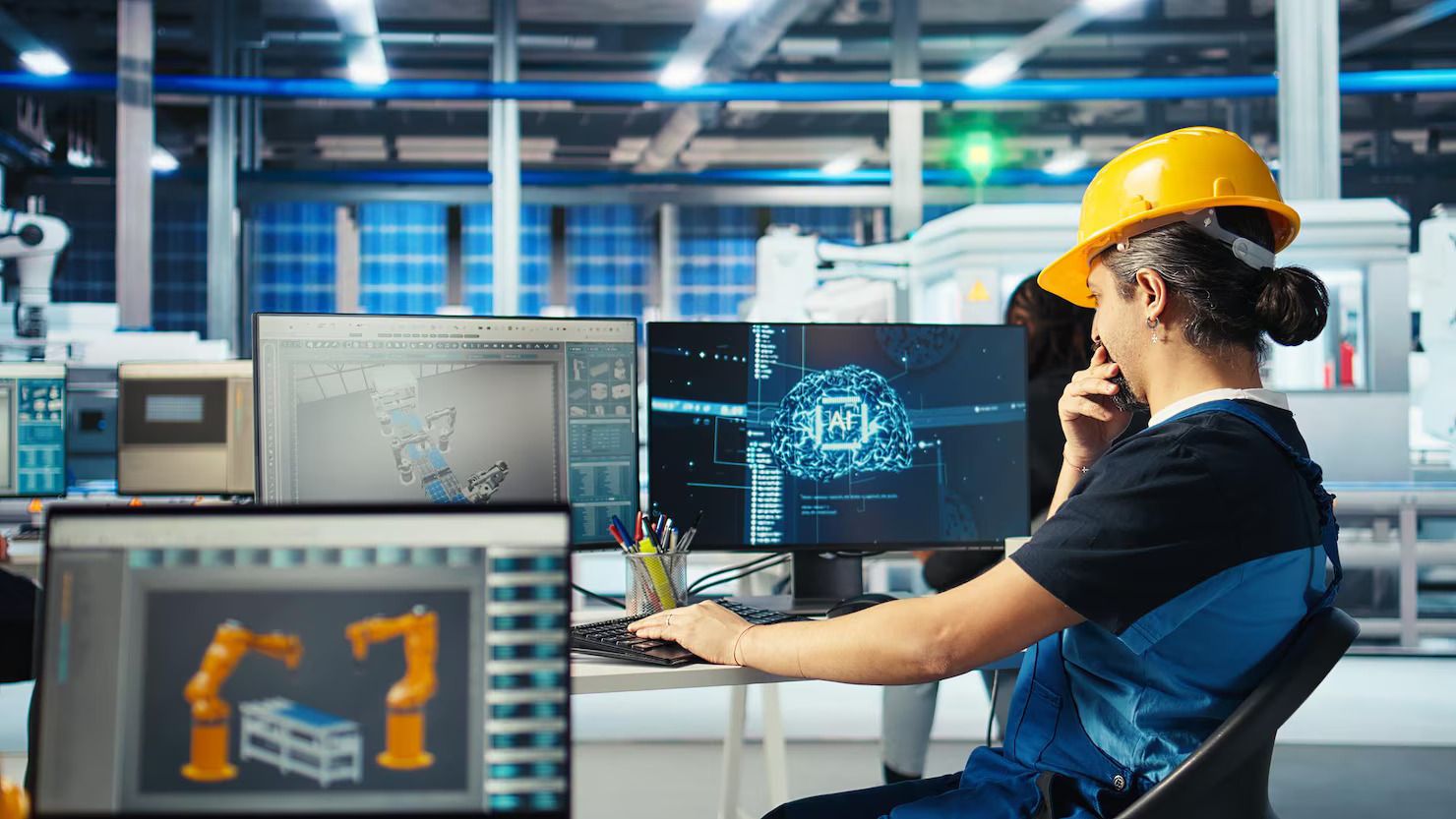
AI in Manufacturing refers to the use of artificial intelligence technologies to improve industrial processes, decision-making, and production efficiency. These technologies include machine learning, computer vision, robotics, and predictive analytics. AI systems analyze large amounts of operational data generated by machines and production lines to detect patterns and identify potential improvements.
Instead of relying only on manual monitoring, manufacturers can use AI tools to automate complex processes and make data-driven decisions. For example, AI can detect equipment issues before they become serious problems, improve product quality through automated inspections, and help factories operate with greater precision and consistency. This intelligent approach allows manufacturing facilities to operate more smoothly and efficiently.
How AI in Manufacturing Works
AI in Manufacturing works by collecting and analyzing large volumes of data from machines, sensors, and production systems across the factory floor. Advanced algorithms process this data to identify patterns, predict outcomes, and recommend actions that improve efficiency and quality. Over time, the AI system learns from new data and becomes more accurate in detecting problems, optimizing production schedules, and guiding automated machines to perform tasks more effectively.
Key Benefits of AI in Manufacturing
The adoption of AI technologies in manufacturing brings several advantages that help companies improve productivity and operational efficiency. By analyzing real-time data and automating processes, AI enables factories to operate with greater accuracy and reliability.
Some key benefits include:
• Improved Production Efficiency – AI systems optimize workflows and reduce downtime by analyzing operational data and identifying inefficiencies.
• Better Quality Control – AI-powered computer vision systems inspect products during production and detect defects quickly.
• Predictive Maintenance – AI can forecast equipment failures before they occur, allowing maintenance teams to take action early.
• Reduced Waste – Data-driven insights help manufacturers minimize material waste and improve resource utilization.
• Enhanced Safety – AI-powered monitoring systems help detect potential hazards and support safer working environments.
• Smarter Decision-Making – Real-time analytics enable managers to make informed operational decisions quickly.
Practical Examples or Use Cases
| Category | Function | Example Use Case |
|---|---|---|
| Predictive Maintenance | Detect equipment problems early | AI analyzes machine data to predict when a motor may fail |
| Quality Inspection | Automated product inspection | Computer vision systems identify defects in electronic components |
| Production Planning | Optimize manufacturing schedules | AI recommends efficient production sequences based on demand |
| Robotics Automation | Perform repetitive tasks | AI-powered robots assemble parts in automotive manufacturing |
| Supply Chain Forecasting | Predict material demand | AI models forecast future inventory requirements |
Tips or Best Practices
• Start with small AI projects before expanding across the entire production process.
• Ensure accurate data collection because AI systems rely heavily on data quality.
• Train employees to understand AI tools and how they support manufacturing operations.
• Continuously monitor AI systems to ensure they perform effectively.
Common Mistakes to Avoid
Many organizations attempt to implement AI technologies without a clear strategy or proper data preparation. One common mistake is assuming that AI can solve every operational challenge immediately. Without reliable data and well-defined objectives, AI systems may not deliver meaningful results. Another mistake is ignoring employee training and integration with existing workflows. Successful implementation of AI in Manufacturing requires careful planning, high-quality data, and collaboration between technology experts and manufacturing teams.
Future Trends or Insights
The role of AI in manufacturing is expected to grow rapidly as industries continue to adopt digital technologies. AI systems are becoming more advanced and capable of handling complex production environments.
Key future trends include:
• Autonomous Factories where AI manages most production processes with minimal human intervention.
• Advanced Robotics Integration that allows intelligent robots to collaborate with human workers.
• AI-Powered Digital Twins that simulate entire production systems for testing and optimization.
• Real-Time Production Analytics that provide instant insights into factory performance.
• Sustainable Manufacturing Solutions where AI helps reduce energy consumption and environmental impact.
Frequently Asked Questions (FAQ)
1. What is AI in Manufacturing?
AI in Manufacturing refers to the use of artificial intelligence technologies to improve production processes, analyze data, and automate industrial operations.
2. Why is AI important for manufacturing industries?
AI helps manufacturers increase efficiency, improve product quality, and make data-driven decisions that enhance productivity.
3. Can small manufacturing companies use AI?
Yes. Many AI tools can be implemented on a smaller scale, allowing smaller factories to improve processes and analyze production data.
4. Does AI replace human workers in manufacturing?
AI usually supports workers rather than replacing them. It automates repetitive tasks while humans focus on supervision, strategy, and innovation.
5. What technologies are used in AI in Manufacturing?
Common technologies include machine learning, robotics, computer vision, predictive analytics, and industrial automation systems.
Conclusion
AI in Manufacturing is transforming the way factories operate by introducing intelligent systems that improve productivity, efficiency, and quality. With the ability to analyze massive amounts of data and automate complex processes, AI allows manufacturers to operate more effectively in a highly competitive environment.
As industries continue to adopt advanced technologies, the role of AI will become even more significant. Manufacturers that embrace AI-driven innovation can improve operations, reduce inefficiencies, and build smarter production systems that are prepared for the future.