AI in Modern Education System: Transforming Learning for the Digital Age
Education has changed dramatically over the past decade. Digital technology, online platforms, and smart tools have reshaped how students learn and how teachers deliver knowledge. One of the most powerful innovations driving this transformation is artificial intelligence. Today, AI is helping classrooms become more interactive, personalized, and efficient than ever before.
The AI in Modern Education System is not just about technology replacing traditional learning methods. Instead, it supports teachers, enhances student engagement, and improves the overall learning experience. From personalized learning paths to intelligent tutoring systems, artificial intelligence in education is creating opportunities that were difficult to imagine a few years ago.
What is AI in Modern Education System
The AI in Modern Education System refers to the integration of artificial intelligence technologies into teaching and learning processes. These technologies use data analysis, machine learning, and intelligent algorithms to improve how educational content is delivered and understood. Instead of relying only on traditional methods, schools and educational institutions can use AI tools to adapt learning materials based on individual student needs.
In simple terms, artificial intelligence in education acts like a smart assistant that helps both students and teachers. It can analyze student performance, suggest personalized study resources, and identify areas where learners need more support. For educators, AI for educators helps streamline tasks like grading assignments, tracking progress, and managing learning platforms more effectively.
How AI in Modern Education System Works
The AI in Modern Education System works by collecting and analyzing data generated through digital learning platforms. When students interact with educational software, AI systems track their progress, understand learning patterns, and detect strengths and weaknesses. Based on this information, the system can adjust learning content to suit each student’s pace and understanding.
Another important part of AI in teaching is automation and intelligent recommendations. AI tools can suggest additional resources, quizzes, or explanations if a student struggles with a concept. At the same time, teachers receive insights about classroom performance, which helps them guide students more effectively and improve teaching strategies.
Key Benefits of AI in Modern Education System
The adoption of AI in Modern Education System brings several advantages to both students and educators. By combining advanced technology with traditional learning methods, educational institutions can create smarter and more flexible learning environments.
Major benefits include:
- Personalized learning experiences tailored to each student's abilities
- Faster feedback and automated assessment systems
- Improved student engagement through interactive learning tools
- Better insights for teachers using learning analytics
- Efficient classroom management and progress tracking
- Enhanced accessibility for students with different learning needs
These advantages show why artificial intelligence in education is becoming a key part of modern learning environments.
Practical Examples or Use Cases
The following table highlights how AI in teaching and education technology are used in real-world learning environments.
| Category | Function | Example Use Case |
|---|---|---|
| Personalized Learning | Adapts lessons based on student performance | Learning platforms adjusting difficulty levels automatically |
| Intelligent Tutoring | Provides automated guidance to students | AI tutor explaining math concepts step-by-step |
| Automated Assessment | Evaluates quizzes and assignments quickly | AI grading multiple-choice tests instantly |
| Learning Analytics | Tracks student progress and learning patterns | Teachers reviewing dashboards showing student performance |
| Language Learning | Improves pronunciation and vocabulary | AI tools helping students practice speaking skills |
These examples show how AI for educators and learners can make the educational process more efficient and engaging.
Tips or Best Practices
- Use AI tools as support systems rather than replacements for teachers
- Regularly review AI-generated insights to improve teaching strategies
- Combine traditional teaching techniques with digital learning tools
- Encourage students to use AI responsibly for learning and research
Common Mistakes to Avoid
Many beginners assume that AI can completely replace teachers or traditional classroom learning, which is not accurate. The AI in Modern Education System works best when it supports educators rather than replacing them. Another common mistake is relying too heavily on automated tools without verifying accuracy or understanding the data being generated. Schools should focus on balanced implementation, ensuring that technology enhances learning while maintaining the essential role of human guidance and critical thinking.
Future Trends or Insights
The future of the AI in Modern Education System looks promising as technology continues to evolve. Educational institutions are exploring new ways to integrate intelligent tools that make learning more accessible, personalized, and engaging for students around the world.
Key trends expected in the coming years include:
- AI-powered virtual tutors supporting students outside classrooms
- Advanced learning analytics for better academic insights
- Voice-enabled learning assistants in educational platforms
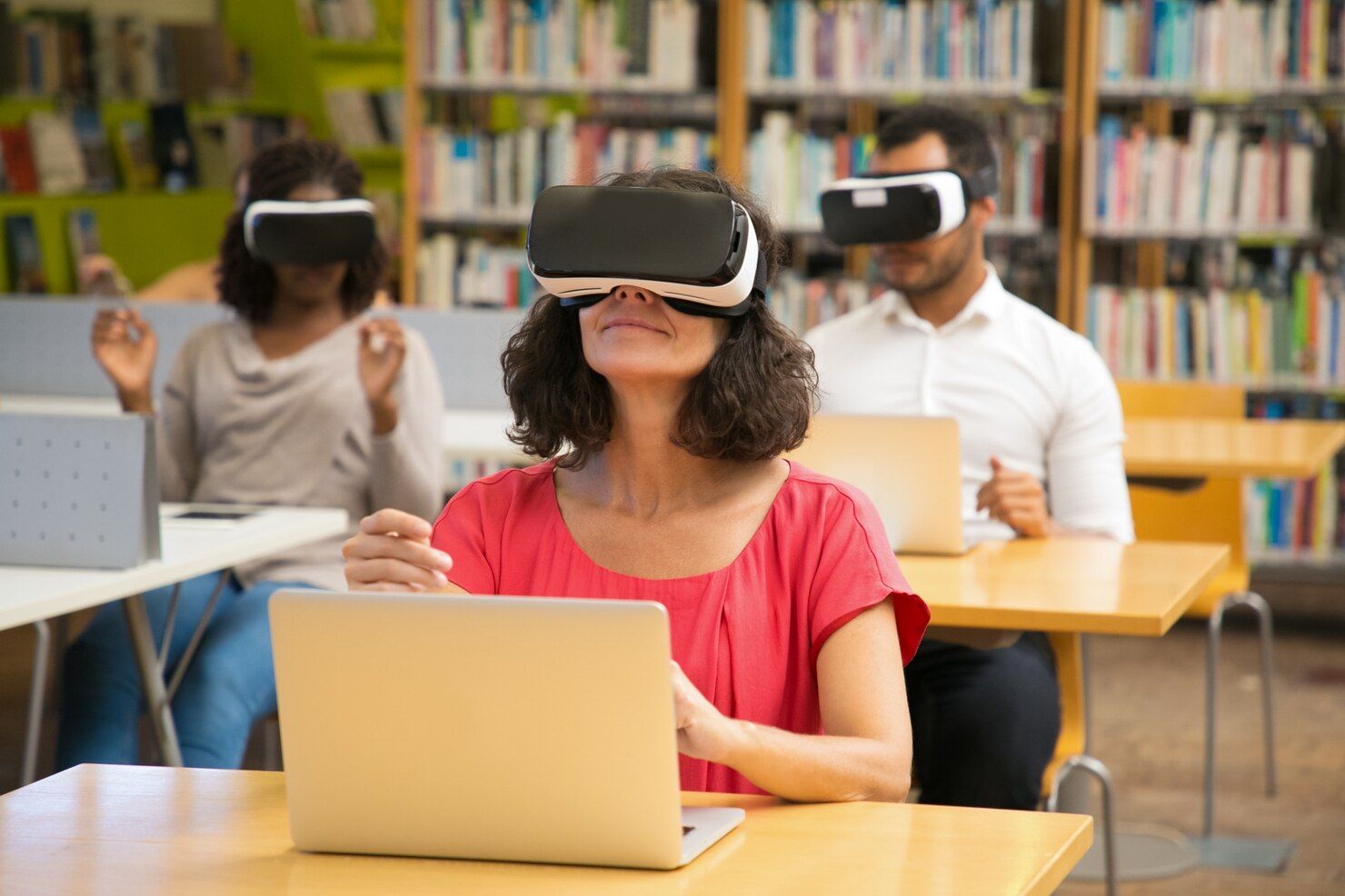
- More immersive learning through AI combined with virtual reality
- Greater personalization in digital learning environments
These innovations highlight how artificial intelligence in education will continue shaping the future of learning.
Frequently Asked Questions (FAQ)
1. What is AI in Modern Education System?
It refers to the use of artificial intelligence technologies to enhance teaching, learning, and academic management processes.
2. How does artificial intelligence help students learn better?
AI can personalize learning materials, track progress, and provide immediate feedback to help students understand concepts more effectively.
3. Can AI replace teachers in education?
No. AI is designed to assist teachers by automating tasks and providing insights, but human guidance remains essential for effective education.
4. What are some examples of AI in teaching?
Examples include AI-powered tutoring systems, automated grading tools, and personalized learning platforms.
5. Why is AI important for the future of education?
AI helps make education more accessible, adaptive, and efficient, which supports better learning outcomes for students worldwide.
Conclusion
The AI in Modern Education System is transforming how knowledge is shared and experienced in classrooms. By integrating intelligent tools with traditional teaching methods, educational institutions can create more engaging and effective learning environments. Students receive personalized support, while teachers gain valuable insights that help improve educational outcomes.
As technology continues to evolve, artificial intelligence in education will play an increasingly important role in shaping the future of learning. When used thoughtfully, AI for educators can enhance creativity, encourage deeper understanding, and prepare students for a rapidly changing digital world.