AI in Personalized Education: How Smart Learning is Transforming Modern Classrooms
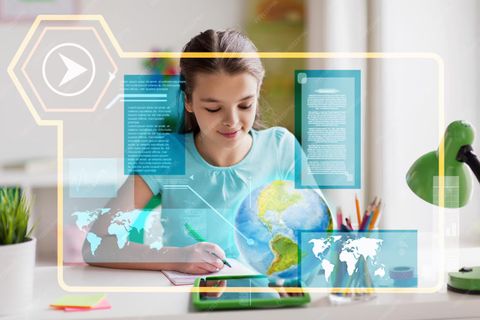
Education has always evolved with technology. From chalkboards to digital classrooms, every innovation has changed how students learn and how teachers share knowledge. Today, one of the most powerful transformations in learning comes from AI in Personalized Education. Artificial intelligence is helping educators understand student needs better and deliver learning experiences tailored to each individual.
Instead of using the same learning method for every student, AI-powered systems analyze learning patterns, strengths, and difficulties. This allows educational platforms to adapt lessons, exercises, and learning paths for each learner. As a result, students can study at their own pace and receive support exactly where they need it.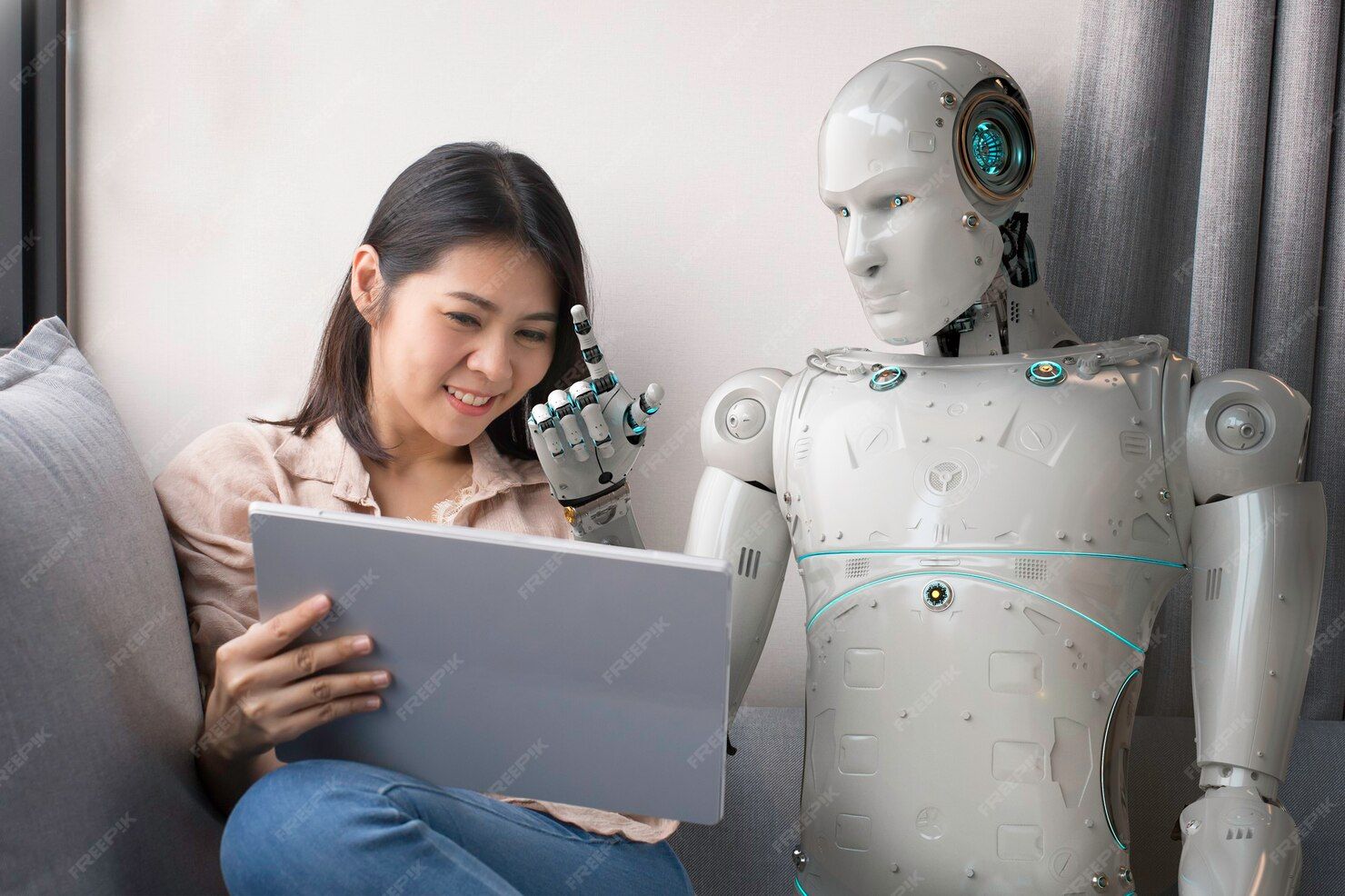
What is AI in Personalized Education
AI in Personalized Education refers to the use of artificial intelligence technologies to customize learning experiences based on each student’s abilities, progress, and preferences. Traditional education systems often follow a fixed curriculum where every student receives the same lessons regardless of their understanding level. AI changes this approach by analyzing data and adjusting educational content to match the learner’s needs.
Artificial intelligence in education works by collecting information from student interactions such as quizzes, assignments, learning speed, and engagement levels. Using machine learning algorithms, the system identifies patterns and predicts how a student learns best. This helps educational platforms create personalized study paths, making learning more effective and engaging for students of different skill levels.
How AI in Personalized Education Works
AI-powered learning platforms collect data from various student activities including quizzes, reading behavior, and problem-solving attempts. Machine learning models analyze this data to understand how each student learns, where they struggle, and what type of content improves their understanding. Based on this analysis, the system automatically adjusts lesson difficulty, learning pace, and content recommendations.
These systems continuously learn from new student interactions. Over time, artificial intelligence becomes more accurate in predicting the learner’s needs. This dynamic learning process helps create an educational environment where each student receives guidance and materials that match their unique learning style.
Key Benefits of AI in Personalized Education
Artificial intelligence is changing how students interact with learning materials and how educators manage educational content. By using intelligent systems, education becomes more adaptive and efficient.
• Personalized learning paths based on student performance and learning pace
• Better understanding of student strengths and weaknesses
• Interactive and engaging learning experiences
• Immediate feedback for assignments and quizzes
• Improved learning outcomes through adaptive teaching methods
• More efficient classroom management for educators
Practical Examples or Use Cases
Artificial intelligence in education is already being used in many real-world learning environments. From online courses to classroom learning platforms, AI helps create more efficient educational experiences.
| Category | Function | Example Use Case |
|---|---|---|
| Adaptive Learning Platforms | Adjust lesson difficulty based on student performance | Online learning platforms that modify quizzes and lessons |
| Intelligent Tutoring Systems | Provide personalized explanations and feedback | AI tutors helping students understand complex math concepts |
| Learning Analytics | Track and analyze student progress | Schools using data insights to support struggling learners |
| Content Recommendation | Suggest study materials based on learning behavior | AI recommending videos, articles, or exercises |
| Language Learning Tools | Personalize vocabulary and grammar practice | Language apps adapting lessons to learner progress |
Tips or Best Practices
• Focus on combining AI tools with human teaching guidance for balanced learning
• Regularly review student learning data to improve educational strategies
• Encourage students to interact actively with AI-powered learning platforms
• Use AI insights to support students who need additional attention
Common Mistakes to Avoid
One common mistake in using AI in Personalized Education is relying entirely on technology without human guidance. Artificial intelligence can analyze data and recommend learning paths, but teachers still play a critical role in mentoring and motivating students. Another issue occurs when educational platforms collect large amounts of data but fail to use it effectively to improve learning outcomes. Schools and institutions should focus on meaningful data insights rather than simply gathering information.
Future Trends or Insights
Artificial intelligence continues to advance rapidly, and its influence on education is expected to grow significantly in the coming years. As technology becomes more sophisticated, learning systems will become even more responsive to student needs.
• AI-powered virtual tutors supporting students 24/7
• More advanced learning analytics to predict academic performance
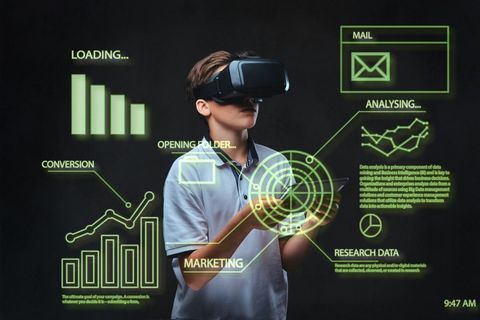
• Integration of AI with immersive technologies such as VR and AR learning environments
• Increased use of AI-driven content creation for educational materials
• Greater accessibility for students across different regions and learning backgrounds
Frequently Asked Questions (FAQ)
1. What is AI in Personalized Education?
AI in Personalized Education uses artificial intelligence to customize learning experiences for individual students based on their learning style and progress.
2. How does artificial intelligence in education help students learn better?
AI analyzes student behavior and performance to adjust lessons, recommend study materials, and provide feedback that improves understanding.
3. Can AI replace teachers in classrooms?
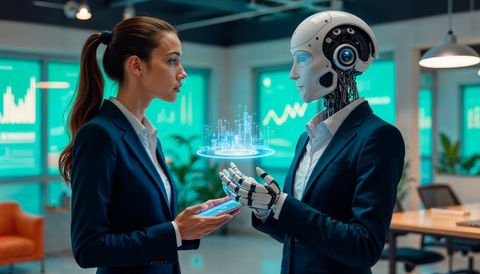
No. AI is designed to assist teachers by providing insights and personalized learning support, but human educators remain essential for guidance and mentorship.
4. How does machine learning improve educational platforms?
Machine learning analyzes student data to identify learning patterns and continuously improve personalized learning recommendations.
5. Why are AI and machine learning courses becoming popular?
As AI technology expands across industries, many learners explore ai and machine learning course programs to understand how intelligent systems work and how they can be applied in education and other fields.
Conclusion
The rise of AI in Personalized Education is transforming the way students learn and how educators deliver knowledge. By analyzing learning patterns and adapting educational content, artificial intelligence creates learning environments that are more engaging and effective for individual students.
As artificial intelligence in education continues to develop, the future of learning will become more flexible, data-driven, and student-centered. With the right balance between AI technology and human teaching expertise, education systems can support learners in reaching their full potential.