AI in Personalized Education: Transforming the Future of Smart Learning
AI in Personalized Education is reshaping the way students learn and interact with knowledge. Traditional education systems often follow a fixed structure where all learners are expected to study at the same pace. However, every student has different learning abilities, strengths, and weaknesses. Artificial intelligence is helping bridge this gap by making learning more flexible, adaptive, and student-focused.
With AI-powered tools, education is no longer limited to classroom boundaries or one-size-fits-all teaching methods. Instead, it becomes a dynamic experience where content is adjusted according to each learner’s performance and behavior. This creates a more engaging and effective learning environment for students of all levels.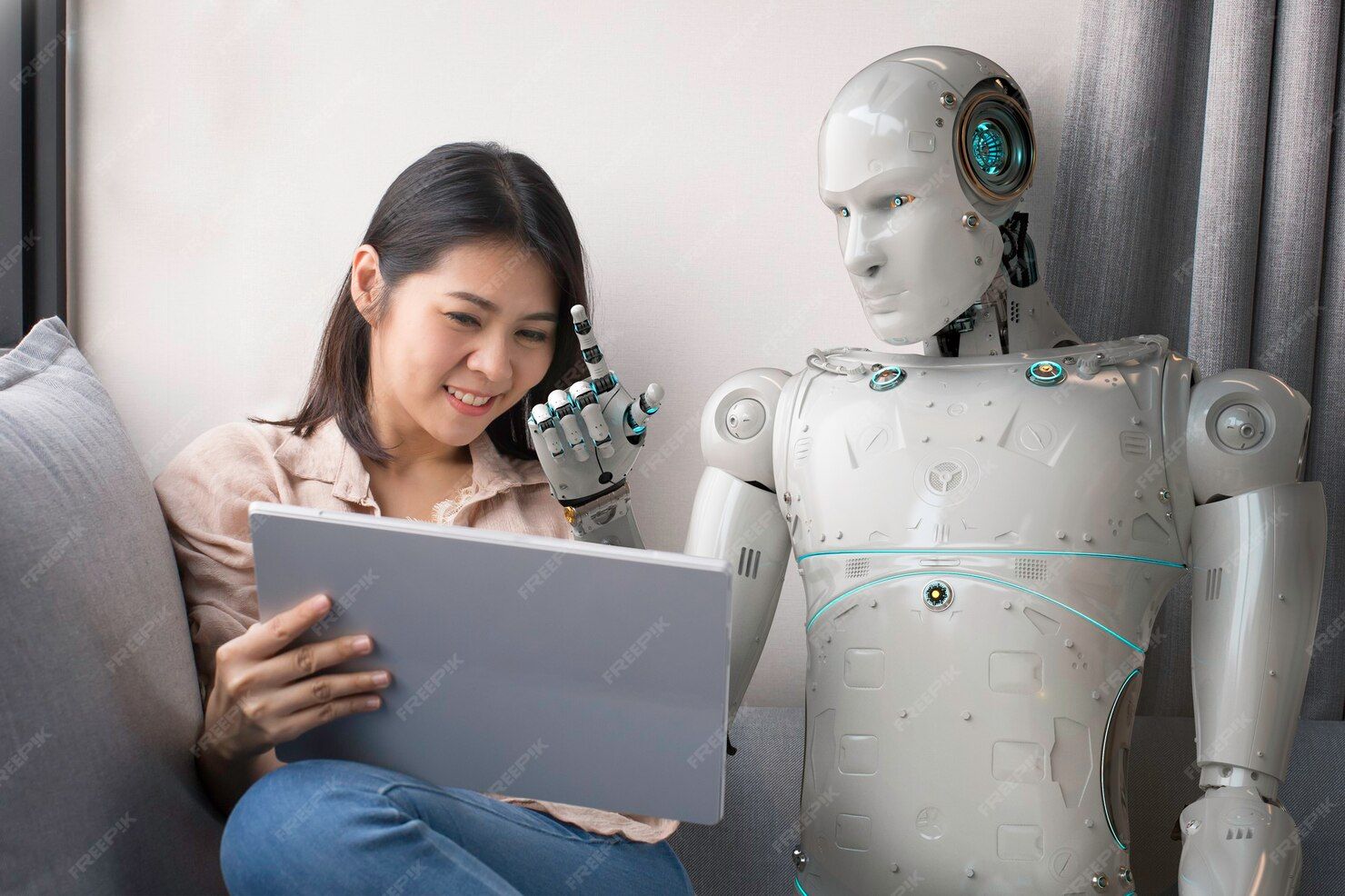
In today’s digital world, AI in Personalized Education is not just a trend but a growing necessity. Schools, universities, and online learning platforms are using intelligent systems to improve learning outcomes, reduce knowledge gaps, and make education more meaningful for every learner.
What is AI in Personalized Education
AI in Personalized Education refers to the use of artificial intelligence technologies to create customized learning experiences for students based on their individual needs. It analyzes how a learner interacts with content, including quiz results, reading speed, mistakes, and progress patterns, to design a personalized learning path.
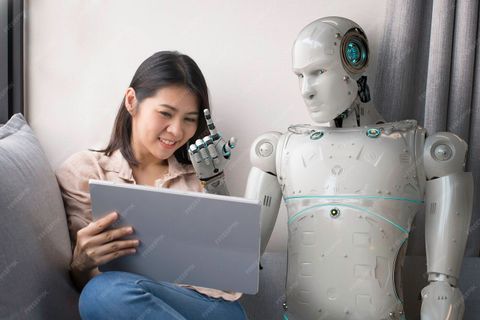
In simple terms, it works like a smart digital learning assistant. Instead of giving every student the same lesson in the same way, AI understands how each student learns best. If a student struggles with a topic, the system provides additional explanations, simpler examples, or extra practice questions. If a student performs well, it introduces more advanced concepts to keep them challenged.
This approach makes education more student-centered. It shifts the focus from teaching to learning, ensuring that every learner gets equal opportunity to understand concepts at their own pace. As a result, education becomes more effective, inclusive, and result-driven.
How AI in Personalized Education Works
AI in Personalized Education works by continuously collecting and analyzing learning data from students, such as answers, engagement time, learning speed, and error patterns. Using machine learning algorithms, the system identifies each student’s learning behavior and adjusts lessons, difficulty levels, and recommendations in real time to improve understanding and performance.
Key Benefits of AI in Personalized Education
AI brings powerful improvements to the learning experience. It not only supports students but also helps teachers and institutions deliver better education.
AI in Personalized Education offers several important benefits:
- Improves understanding by adjusting lessons to individual learning speed
- Increases student engagement through interactive and adaptive content
- Identifies knowledge gaps early and provides targeted improvement
- Supports self-paced learning without pressure
- Enhances retention of information through repeated reinforcement
- Reduces learning frustration by simplifying difficult concepts
- Helps teachers monitor student performance in real time
- Encourages continuous progress through instant feedback
Practical Examples or Use Cases
AI in Personalized Education is already being used across various learning environments. Below are some real-world applications showing how it works in different categories.
| Category | Function | Example Use Case |
|---|---|---|
| Adaptive Learning Platforms | Adjust difficulty level automatically | A student learning math receives easier or harder problems based on performance |
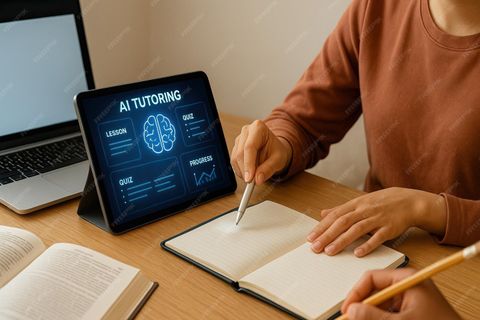
| AI Tutoring Systems | Provide personalized explanations | A virtual tutor explains science topics differently depending on student understanding |
| Language Learning Apps | Improve speaking and writing skills | An app corrects grammar, pronunciation, and suggests better vocabulary |
| Exam Preparation Platforms | Analyze strengths and weaknesses | The system identifies weak topics and creates a revision plan |
| Classroom Analytics Systems | Track learning progress | Teachers receive detailed insights about each student’s performance |
| Skill Development Platforms | Build professional skills | AI suggests learning paths for coding, design, or communication skills |
| Special Education Tools | Support diverse learners | AI adjusts content for students with learning difficulties or disabilities |
These examples show how AI is becoming an essential part of modern education systems across the world.
Tips or Best Practices
To make the most of AI in Personalized Education, it is important to use it wisely and consistently. Here are some simple best practices:
- Use AI tools regularly to understand your learning progress clearly
- Focus on improving weak areas instead of skipping them
- Combine AI-based learning with human guidance for better results
- Stay consistent with practice rather than rushing through lessons
Common Mistakes to Avoid
Many learners and educators misunderstand how AI in Personalized Education works. One common mistake is relying completely on AI without active effort, which reduces learning effectiveness. Another mistake is ignoring feedback and recommendations provided by the system. Some learners also expect instant improvement without consistent practice, which leads to slow progress.
Education still requires discipline, curiosity, and regular effort. AI is a powerful support system, but it works best when combined with active participation from the learner.
Future Trends or Insights
The future of AI in Personalized Education is extremely promising. As technology continues to evolve, learning systems will become even more intelligent, interactive, and human-like in understanding student behavior.
Here are some key future trends:
- Highly advanced adaptive learning systems with deeper personalization
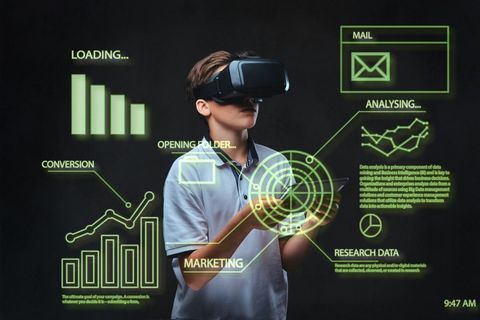
- Integration of virtual reality for immersive classroom experiences
- AI-powered emotional recognition to detect student engagement levels
- Voice-based AI tutors for hands-free learning support
- Predictive learning analytics to forecast academic performance
- Fully automated personalized learning pathways for each student
These advancements will make education more accessible, flexible, and effective than ever before.
Frequently Asked Questions (FAQ)
1. What makes AI in Personalized Education different from traditional learning?
It adjusts learning content based on individual student needs instead of using the same method for everyone.
2. Can AI replace teachers in education?
No, AI supports teachers by handling data and personalization while teachers guide and mentor students.
3. Is AI learning suitable for all age groups?
Yes, AI-based education systems are designed for students from beginners to advanced learners.
4. How does AI track student progress?
It analyzes performance data like quiz results, engagement time, and learning patterns.
5. Does AI improve exam performance?
Yes, it helps students focus on weak areas and provides structured revision support.
Conclusion
AI in Personalized Education is transforming the global learning landscape by making education more adaptive, intelligent, and student-focused. It ensures that every learner receives personalized attention, improving understanding and long-term knowledge retention.
As AI technology continues to grow, its role in education will become even more powerful. It will not only support academic learning but also help build stronger skills for the future. This makes AI an essential part of modern education systems and a key driver of smarter learning experiences worldwide.