AI in Retail Industry: Transforming the Future of Shopping
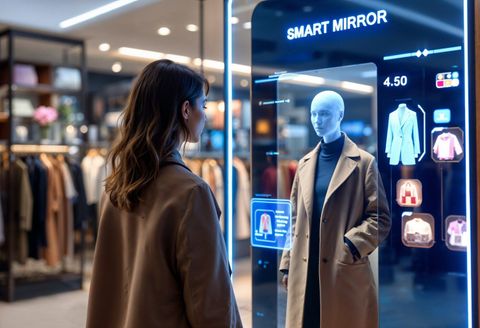
The retail world is changing rapidly, and technology is playing a major role in shaping how businesses operate and interact with customers. One of the most powerful technologies driving this transformation is artificial intelligence. Today, AI in Retail Industry is helping companies understand customer behavior, improve inventory management, personalize shopping experiences, and make smarter business decisions.
As competition increases and customer expectations continue to rise, retailers are turning to AI to stay ahead. From predictive analytics to automated recommendations, artificial intelligence allows retailers to analyze large amounts of data and respond quickly to changing market demands. This technology is no longer limited to large global brands—many retailers are now exploring AI-powered tools to improve efficiency and enhance customer satisfaction.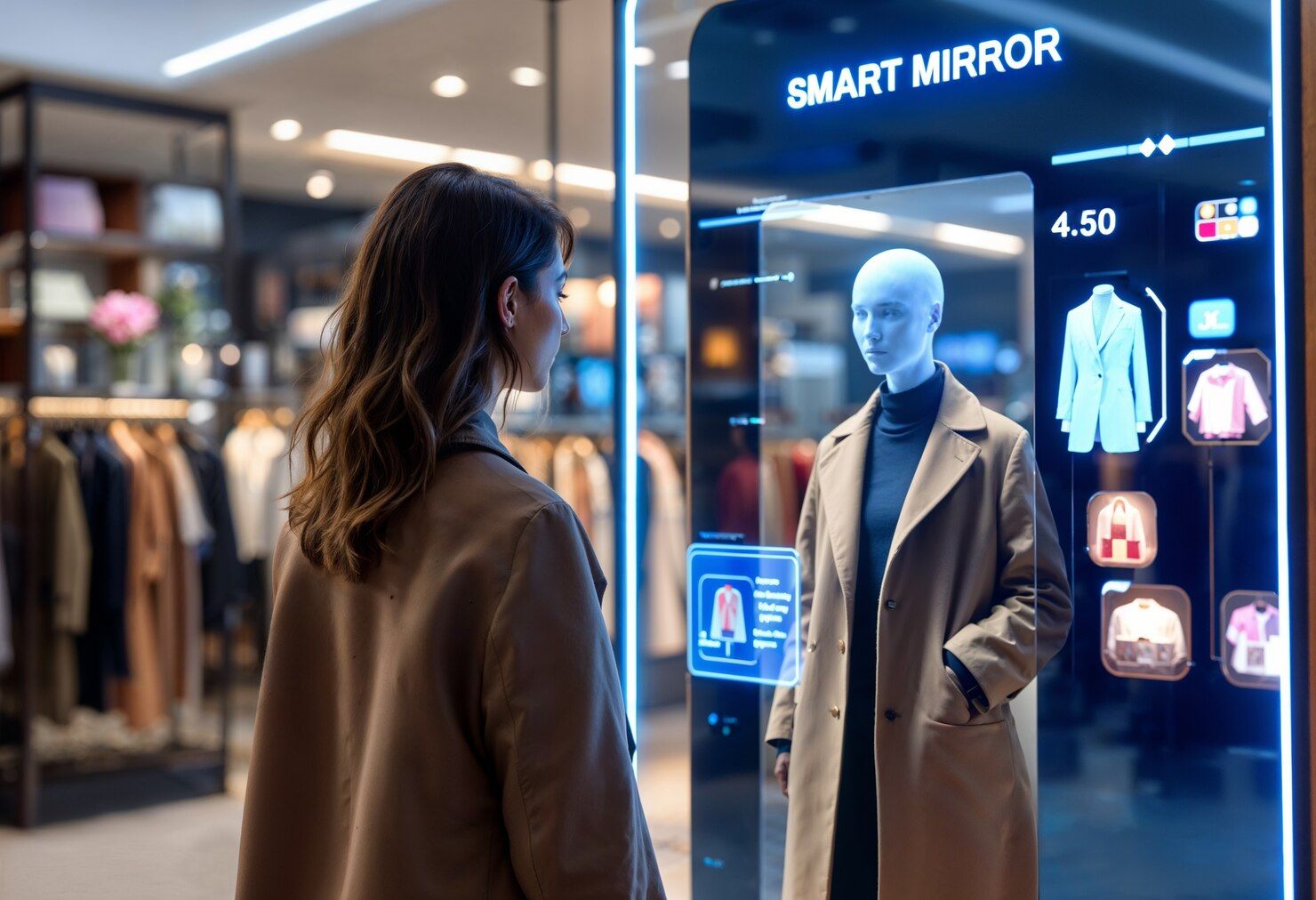
What is AI in Retail Industry
AI in Retail Industry refers to the use of artificial intelligence technologies to improve retail operations, customer experiences, and decision-making processes. AI systems analyze data such as customer preferences, purchasing patterns, inventory levels, and market trends to help retailers make informed decisions.
In simple terms, AI allows retailers to understand what customers want, predict future demand, and optimize business operations. By using machine learning, data analytics, and automation tools, retailers can create smarter systems that respond to customer needs in real time. This leads to more personalized experiences and improved operational efficiency.
How AI in Retail Industry Works
AI in Retail Industry works by collecting and analyzing data from multiple sources such as customer interactions, browsing behavior, inventory systems, and transaction records. Machine learning algorithms process this information to identify patterns, predict trends, and generate insights that help retailers improve decision-making. These AI systems continuously learn from new data, which allows them to become more accurate over time and provide retailers with better recommendations for improving operations and customer engagement.
Key Benefits of AI in Retail Industry
Artificial intelligence is transforming the retail sector by improving efficiency, enhancing customer experiences, and enabling data-driven decisions. Retailers that adopt AI technologies can better understand customer needs and optimize their operations.
Key benefits include:
- Improved customer experience through personalized product recommendations and tailored shopping journeys
- Better inventory management by predicting demand and reducing stock shortages or excess inventory
- Enhanced data analysis that helps retailers understand market trends and customer behavior
- Faster decision-making with AI-powered insights based on real-time data
- Operational efficiency through automation of repetitive processes
- Smarter pricing strategies using predictive analytics and demand forecasting
Practical Examples or Use Cases
AI in Retail Industry is already being used in many real-world situations. These applications help retailers improve customer engagement, streamline operations, and gain valuable insights.
| Category | Function | Example Use Case |
|---|---|---|
| Customer Personalization | AI analyzes customer behavior to recommend relevant products | Online stores showing personalized recommendations based on browsing history |
| Inventory Management | Predicts demand and optimizes stock levels | Retailers adjusting inventory before seasonal demand changes |
| Customer Support | AI-powered chat systems assist customers instantly | Virtual assistants answering common customer questions |
| Visual Search | AI identifies products from images | Customers uploading a photo to find similar products |
| Fraud Detection | AI monitors transactions to detect unusual patterns | Identifying suspicious payment activities |
| Store Analytics | AI tracks customer movement in physical stores | Retailers analyzing foot traffic patterns to improve store layout |
Tips or Best Practices
- Start with a clear strategy and identify areas where AI can deliver the most impact.
- Use reliable data sources to ensure AI systems generate accurate insights.
- Focus on improving customer experience rather than only automating processes.
- Continuously monitor AI performance and update systems based on new data.
Common Mistakes to Avoid
Many retailers make the mistake of adopting AI technologies without a clear strategy or proper understanding of how the technology works. Another common issue is relying on poor-quality data, which can lead to inaccurate predictions and ineffective results. Some businesses also expect immediate results from AI implementation, but artificial intelligence systems often require time to learn and improve. Without proper planning, training, and monitoring, AI initiatives may fail to deliver their full potential.
Future Trends or Insights
The role of AI in retail will continue to grow as technology becomes more advanced and accessible. Retailers are increasingly integrating AI into different aspects of their operations to gain deeper insights and improve customer engagement.
Future developments may include:
- Hyper-personalized shopping experiences using advanced customer data analysis
- AI-powered virtual shopping assistants guiding customers through digital stores
- Smart stores with automated checkout systems powered by computer vision
- Predictive demand forecasting for more accurate inventory planning
- AI-driven supply chain optimization to improve logistics efficiency
Frequently Asked Questions (FAQ)
1. Why is AI important in the retail industry?
AI helps retailers analyze large amounts of data, understand customer behavior, and improve operational efficiency, which leads to better decision-making.
2. Can small retailers use AI technology?
Yes. Many AI tools are now accessible to businesses of different sizes, allowing smaller retailers to use data-driven insights to improve operations.
3. How does AI improve customer experience in retail?
AI analyzes customer preferences and behavior to provide personalized recommendations and faster support, which creates a more engaging shopping experience.
4. What technologies are commonly used in AI for retail?
Common technologies include machine learning, predictive analytics, computer vision, and natural language processing.
5. Is AI replacing human workers in retail?
AI is mainly used to assist and automate repetitive tasks, allowing human employees to focus on more strategic and customer-focused activities.
Conclusion
AI in Retail Industry is transforming how retailers operate, analyze data, and interact with customers. By leveraging artificial intelligence technologies, retailers can gain valuable insights, improve operational efficiency, and create more personalized shopping experiences. As the retail landscape becomes increasingly competitive, AI provides businesses with powerful tools to adapt to changing consumer expectations.
Looking ahead, the role of AI will continue to expand across the retail ecosystem. Retailers that embrace AI-driven strategies will be better equipped to understand their customers, optimize their operations, and remain competitive in the evolving digital marketplace.