AI in Smart Devices: How Intelligent Technology Is Transforming Everyday Life
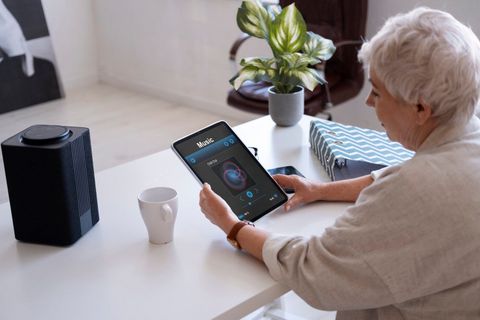
In recent years, technology has quietly become a part of almost every moment of daily life. From smartphones that recognize voices to refrigerators that track food usage, modern devices are becoming smarter and more responsive. This shift is largely driven by AI in Smart Devices, which allows machines to learn from data, understand patterns, and adapt to user behavior.
As artificial intelligence continues to evolve, smart devices are becoming more capable and efficient. Instead of simply following commands, they can now anticipate needs, automate routine tasks, and improve user experiences. Whether in homes, workplaces, or personal gadgets, AI-powered devices are reshaping how people interact with technology.
What is AI in Smart Devices
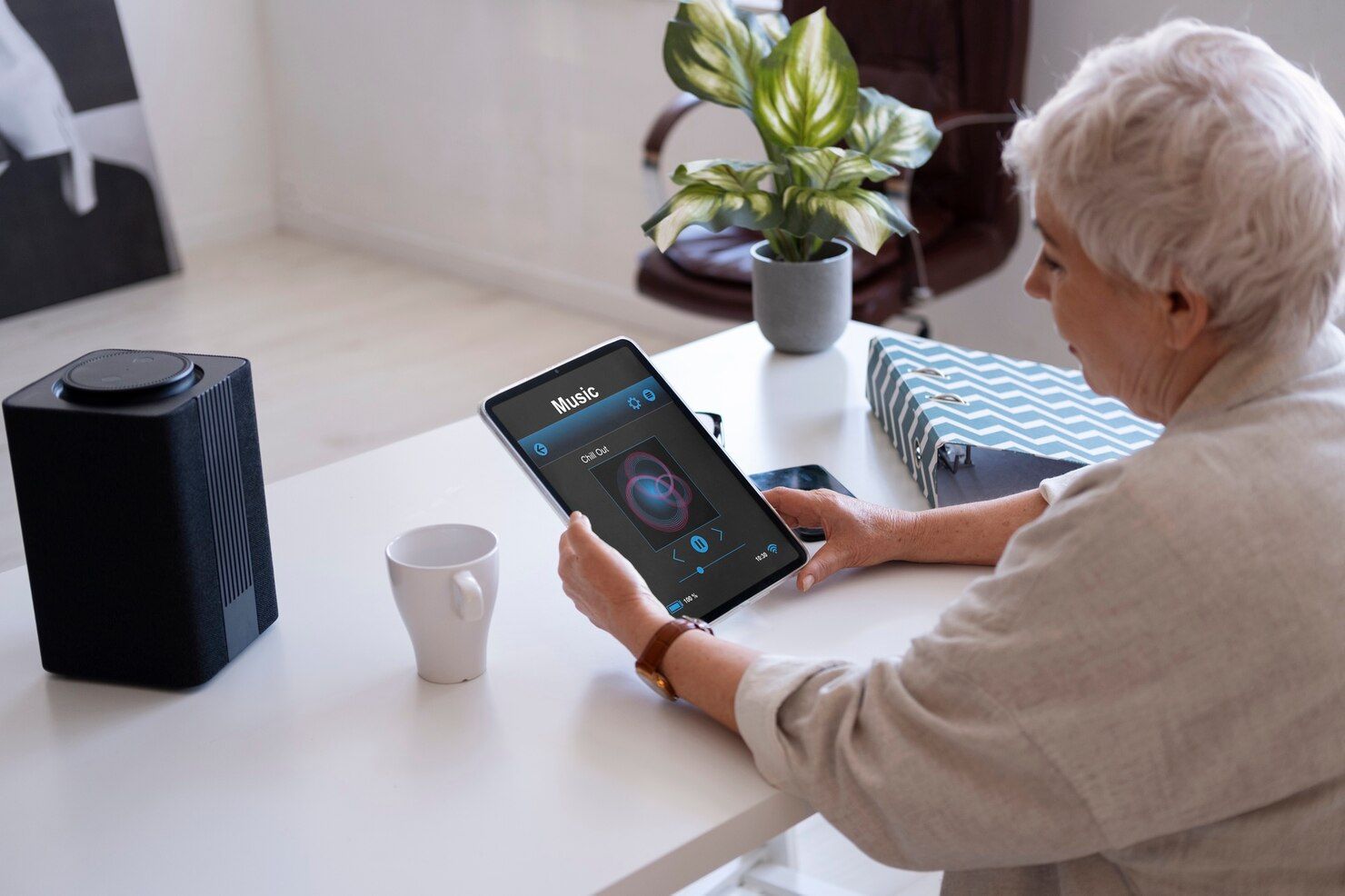
AI in Smart Devices refers to the integration of artificial intelligence technologies into everyday electronic devices. These devices use machine learning, sensors, and data processing systems to understand user preferences and perform actions intelligently. Rather than operating with fixed instructions, they analyze information and make decisions based on patterns and behavior.
For example, a smart thermostat may learn when people are typically at home and adjust temperature settings automatically. Similarly, smart assistants can recognize speech, answer questions, and control connected devices. By combining connectivity, automation, and AI algorithms, smart devices become more helpful and responsive over time.
How AI in Smart Devices Works
AI in Smart Devices works by collecting data through sensors, user interactions, and connected networks. This data is analyzed using machine learning models that identify patterns and predict outcomes. Over time, the device improves its performance by learning from previous actions and feedback. The system then automates responses or recommendations based on these insights, allowing devices to adapt to user behavior and environmental changes without constant manual input.
Key Benefits of AI in Smart Devices
The adoption of AI in Smart Devices is growing quickly because it brings significant advantages to everyday technology. These benefits make devices more efficient, intuitive, and helpful in daily life.
Some of the key benefits include:
• Personalized experiences – Devices learn user habits and adjust settings automatically.
• Improved efficiency – Automation reduces the need for manual actions.
• Better energy management – Smart systems optimize energy usage in homes and offices.
• Enhanced security – AI-powered cameras and sensors detect unusual activity.
• Seamless connectivity – Multiple devices communicate and work together smoothly.
Practical Examples or Use Cases
The use of AI in Smart Devices can be seen in many real-world situations. These technologies are already shaping how people live, work, and interact with their surroundings.
| Category | Function | Example Use Case |
|---|---|---|
| Smart Homes | Automated control of home systems | AI thermostat adjusts temperature based on daily routines |
| Personal Assistants | Voice recognition and task automation | Smart speakers answer questions and control lights |
| Wearable Devices | Health monitoring and activity tracking | Fitness watches analyze heart rate and daily activity |
| Smart Appliances | Intelligent home appliance management | Refrigerators track food usage and suggest reminders |
| Security Systems | AI-powered monitoring | Cameras detect unusual movement and send alerts |
Tips or Best Practices
When using AI in Smart Devices, following a few simple practices can improve the overall experience.
• Keep device software updated to ensure better performance and security.
• Connect devices through secure networks to protect personal data.
• Customize settings so devices match personal preferences and habits.
• Regularly review device permissions and privacy settings.
Common Mistakes to Avoid
Many beginners make the mistake of relying completely on default settings when using AI in Smart Devices. While these devices are designed to be intelligent, they still work best when properly configured. Ignoring updates, overlooking privacy settings, or connecting too many devices without proper organization can lead to poor performance and security risks. Understanding how devices collect and use data helps users maintain better control over their smart environments.
Future Trends or Insights
The future of AI in Smart Devices is promising as technology continues to advance. Devices are expected to become more intelligent, more connected, and more capable of understanding human behavior.
Some important trends shaping the future include:
• Increased integration between smart home ecosystems
• More advanced voice and gesture recognition technology
• AI-powered predictive automation in daily routines
• Improved energy management systems in smart homes
• Greater focus on privacy-focused AI processing within devices
Frequently Asked Questions (FAQ)
1. What are smart devices powered by AI?
Smart devices powered by AI are electronic gadgets that use artificial intelligence to analyze data, learn user preferences, and automate tasks.
2. How does AI improve smart devices?
AI allows devices to learn from user behavior, recognize patterns, and adjust their functions automatically to provide a more personalized experience.
3. Are AI smart devices safe to use?
Yes, most devices include security features, but users should keep software updated and manage privacy settings carefully.
4. What are common examples of AI in smart devices?
Examples include smart speakers, wearable fitness trackers, home security cameras, and intelligent thermostats.
5. Will AI in smart devices become more common in the future?
Yes, as technology evolves, more everyday devices will integrate artificial intelligence to improve automation and convenience.
Conclusion
AI in Smart Devices is transforming the way people interact with technology. By combining artificial intelligence with connected devices, everyday tools become more responsive, efficient, and personalized. From smart homes to wearable technology, AI is helping devices understand user behavior and automate tasks that once required manual effort.
As innovation continues, the role of AI in smart devices will only expand. Future developments will likely bring smarter automation, better energy efficiency, and improved user experiences. Understanding how this technology works helps individuals adapt to a world where intelligent devices play an increasingly important role in daily life.