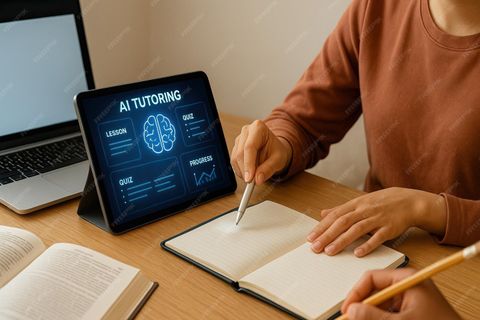
AI in Student Learning Improvement: The Future of Smart and Personalized Education
AI in Student Learning Improvement is rapidly transforming how students learn, practice, and understand academic subjects. Traditional classroom methods often follow a fixed pace, which may not suit every learner. However, with artificial intelligence, education is becoming more flexible, adaptive, and student-focused. AI systems analyze learning behavior and help create a more personalized academic journey for each learner.
In today’s digital world, education is no longer limited to textbooks and classrooms. Students now interact with intelligent learning platforms that guide them step by step. These systems help identify weak areas, suggest improvements, and provide real-time feedback. As a result, learning becomes more interactive, engaging, and effective for long-term understanding.
What is AI in Student Learning Improvement
AI in Student Learning Improvement refers to the application of artificial intelligence technologies to enhance how students study, understand concepts, and improve academic performance. It uses smart algorithms to observe student behavior, track progress, and customize learning experiences based on individual needs.
In simple terms, it means using intelligent systems that act like personal learning assistants. These systems understand how fast or slow a student learns, which topics are difficult, and what type of content works best for better understanding. Instead of following a single learning pattern, AI creates a flexible approach that adjusts according to each student’s performance.
AI also helps educators gain insights into student progress. Teachers can understand which topics require more attention in the classroom and adjust their teaching style accordingly. This balance between student needs and teaching methods improves overall learning outcomes.
How AI in Student Learning Improvement Works
AI in Student Learning Improvement works by collecting student learning data, such as test results, study habits, time spent on topics, and response accuracy. This data is processed using machine learning models that identify patterns and learning gaps. Based on these insights, the system generates personalized study paths, recommends exercises, and provides feedback that helps students improve gradually and effectively.
Key Benefits of AI in Student Learning Improvement
AI brings several meaningful advantages to the education system. It not only supports students but also enhances teaching strategies and learning efficiency.
- Personalized learning experience tailored to each student’s pace
- Better understanding of difficult subjects through adaptive explanations
- Continuous monitoring of academic performance and progress
- Instant feedback that helps correct mistakes in real time
- Higher engagement through interactive learning methods
- Improved confidence by focusing on individual strengths
- Better revision strategies based on performance analysis
- Support for self-paced learning without pressure
Practical Examples or Use Cases
AI in education is already being applied across multiple platforms and learning environments. These real-world use cases show how powerful and practical this technology has become.
| Category | Function | Example Use Case |
|---|---|---|
| Adaptive Learning Platforms | Customized learning experience | Students receive lessons based on their performance level and progress |
| Virtual Tutors | AI-based guidance system | Learners get step-by-step explanations for complex topics in math, science, and language |
| Language Learning Systems | Communication skill improvement | Students practice speaking, pronunciation, grammar, and vocabulary with AI feedback |
| Exam Preparation Tools | Performance tracking system | AI identifies weak subjects and suggests focused revision topics for better preparation |
| Smart Classrooms | Real-time learning analysis | Teachers monitor student engagement and adjust teaching methods accordingly |
| Writing Assistants | Skill development in writing | AI helps improve grammar, sentence structure, clarity, and writing quality in essays |
| STEM Learning Apps | Practical problem solving | Students solve science, technology, engineering, and math problems step by step with AI support |
Tips or Best Practices
- Use AI tools regularly but combine them with self-study for stronger understanding
- Focus on understanding feedback instead of just completing tasks quickly
- Create a consistent study routine supported by AI recommendations
- Review performance reports often to track improvement over time
Common Mistakes to Avoid
Many students depend too heavily on AI-based learning systems without actively thinking through problems on their own, which can reduce critical thinking skills over time. Another common mistake is ignoring personalized feedback or skipping challenging topics instead of working through them step by step. Some learners also use multiple tools without a clear study plan, which can create confusion instead of clarity. A balanced and mindful approach is essential for effective learning improvement.
Future Trends or Insights
The future of AI in Student Learning Improvement is expected to become even more advanced and personalized. Education systems will evolve to match the emotional, cognitive, and academic needs of students in real time.
- Hyper-personalized learning experiences based on deep behavioral analysis
- Voice-assisted learning systems for natural and interactive study support
- Emotion-aware AI that detects student engagement and stress levels
- Fully adaptive digital classrooms that adjust content dynamically
- Integration of virtual reality and AI for immersive learning experiences
As these technologies develop, learning will become more intuitive and closely aligned with each student’s natural pace and style.
Frequently Asked Questions (FAQ)
1. What is AI in Student Learning Improvement in simple words?
It is the use of smart technology that helps students learn better by customizing lessons and tracking progress based on individual needs.
2. How does AI personalize learning for students?
It studies student performance, identifies strengths and weaknesses, and then creates customized learning paths for better understanding.
3. Can AI help weak students improve faster?
Yes, it provides focused practice, instant feedback, and targeted lessons that help students improve step by step.
4. Is AI learning suitable for all age groups?
Yes, AI-based learning systems can be adapted for school students, college learners, and even professional education.
5. Does AI replace traditional classroom learning?
No, it supports traditional learning by making it more effective, but teachers and classrooms remain very important.
6. What subjects benefit most from AI learning systems?
Subjects like mathematics, science, languages, and coding benefit greatly due to step-by-step learning support.
Conclusion
AI in Student Learning Improvement is reshaping the education system by making learning more personalized, interactive, and efficient. It allows students to learn at their own pace while receiving continuous guidance and feedback. This creates a stronger foundation for academic success and lifelong learning.
As technology continues to evolve, AI will play an even more important role in shaping modern education. Students who adapt to these intelligent learning systems will have a better chance of improving their skills, understanding complex topics, and staying prepared for future academic challenges.