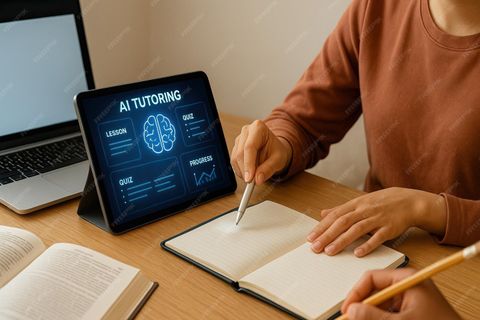
AI Study Resources: Smarter Ways to Learn with Artificial Intelligence
Learning methods have changed dramatically in recent years. With the rise of digital education and intelligent technologies, students now have access to tools that make studying faster, more personalized, and more effective. One of the most powerful developments in modern education is the growth of AI Study Resources. These tools use artificial intelligence to assist learners with research, explanations, practice exercises, and knowledge organization.
AI Study Resources are transforming how students prepare for exams, complete assignments, and understand complex topics. Instead of relying only on textbooks and traditional study methods, learners can now use intelligent platforms that analyze questions, generate explanations, and adapt to their learning pace. This shift is making education more accessible and interactive for students around the world.
What is AI Study Resources
AI Study Resources refer to digital learning tools powered by artificial intelligence that help students study more efficiently. These tools analyze information, understand questions, and generate explanations in a way that supports learning. They can assist with summarizing textbooks, solving academic problems, generating quizzes, and providing clear explanations of difficult subjects.
Unlike traditional study tools, AI Study Resources adapt to the needs of each learner. For example, if a student struggles with a particular concept, AI-based tools can provide simpler explanations or additional practice questions. This personalized learning approach allows students to study at their own pace while improving comprehension and retention.
How AI Study Resources Works
AI Study Resources work by using advanced technologies such as machine learning, natural language processing, and data analysis to understand academic content and student queries. When a learner enters a question or topic, the system analyzes the information, searches relevant knowledge patterns, and generates structured explanations, summaries, or practice materials. Over time, these systems learn from user interactions, which helps them improve the accuracy and relevance of the study assistance they provide.
Key Benefits of AI Study Resources
AI Study Resources provide multiple advantages for students and learners. These tools simplify complex topics and help learners stay organized while studying.
Some important benefits include:
- Personalized Learning Experience – AI tools adapt explanations and practice materials based on the learner’s progress and understanding.
- Faster Information Access – Students can quickly receive explanations, summaries, and study notes without searching through multiple sources.
- Improved Study Efficiency – AI-generated quizzes, flashcards, and summaries help learners review information more effectively.
- Better Understanding of Complex Topics – AI tools break down complicated subjects into simpler concepts.
- Continuous Learning Support – Students can explore topics, ask questions, and practice concepts whenever they need guidance.
Practical Examples or Use Cases
AI Study Resources are used in many educational situations to enhance learning experiences.
| Category | Function | Example Use Case |
|---|---|---|
| Homework Assistance | Explains academic questions | A student receives step-by-step explanations for a mathematics problem |
| Research Support | Summarizes long articles | A learner quickly understands key points from academic research |
| Exam Preparation | Generates quizzes and practice tests | A student prepares for exams using AI-generated questions |
| Language Learning | Provides grammar explanations and corrections | A learner practices writing and receives suggestions for improvement |
| Study Organization | Creates notes and summaries | A student converts long chapters into short, clear study notes |
Tips or Best Practices
To get the most value from AI Study Resources, learners should use them strategically.
- Ask clear and specific questions to receive better explanations.
- Combine AI tools with textbooks and lectures for deeper understanding.
- Use AI-generated summaries as review material, not as the only learning source.
- Practice regularly with AI quizzes or exercises to strengthen knowledge retention.
Common Mistakes to Avoid
Many beginners assume that AI Study Resources can completely replace traditional learning methods. This can lead to shallow understanding if students rely only on automated explanations without practicing or reviewing the material themselves. Another common mistake is asking vague questions, which may lead to unclear responses. Learners should treat AI as a supportive study companion rather than the only source of learning, and they should always verify important academic information.
Future Trends or Insights
The future of AI Study Resources looks promising as educational technology continues to evolve. Artificial intelligence is expected to become even more integrated into digital learning environments.
Future developments may include:
- Adaptive learning systems that adjust lessons automatically based on student performance
- AI-powered virtual tutors capable of interactive conversations with learners
- Real-time academic feedback for writing, problem solving, and research tasks
- Smart learning dashboards that track progress and highlight weak areas
- AI-driven immersive learning environments combining simulations with intelligent guidance
These advancements will likely make studying more engaging, interactive, and personalized for learners of all ages.
Frequently Asked Questions (FAQ)
1. What are AI Study Resources used for?
AI Study Resources help students understand subjects, generate summaries, practice questions, and improve learning efficiency.
2. Are AI Study Resources useful for beginners?
Yes. Beginners can use AI tools to receive simple explanations and step-by-step guidance when learning new topics.
3. Can AI Study Resources help with exam preparation?
Yes. Many AI-based tools generate quizzes, flashcards, and study notes that help students review important concepts before exams.
4. Do AI Study Resources replace teachers or traditional education?
No. These tools act as supportive learning assistants. Teachers and structured education remain essential for deep learning and guidance.
5. How can students use AI Study Resources effectively?
Students should ask clear questions, practice regularly, review explanations carefully, and combine AI tools with other study materials.
Conclusion
AI Study Resources are becoming an important part of modern education. They help students access knowledge quickly, understand difficult concepts, and organize study materials more effectively. With intelligent explanations, automated summaries, and interactive practice tools, these resources support learners in developing stronger study habits.
As artificial intelligence continues to evolve, AI Study Resources will likely become even more powerful and personalized. Students who learn how to use these tools wisely can enhance their learning experience and adapt to the future of digital education.