AI in Smart Devices: How Artificial Intelligence is Transforming Everyday Technology
Technology has become deeply connected to our everyday lives. From smartphones and smart speakers to wearable devices and intelligent home systems, modern gadgets are becoming smarter every year. One of the biggest reasons behind this transformation is the growing role of AI in Smart Devices. Artificial intelligence allows devices to understand user behavior, learn patterns, and respond more intelligently to everyday tasks.
Today, smart AI devices are designed to simplify routines, increase convenience, and create more personalized digital experiences. Whether it’s adjusting home lighting automatically, recommending music, or optimizing energy usage, AI home automation and intelligent devices are shaping how people interact with technology in their homes, workplaces, and daily environments.
What is AI in Smart Devices
AI in Smart Devices refers to the integration of artificial intelligence technologies into everyday electronic devices. These devices use algorithms, data analysis, and machine learning to understand user behavior and perform tasks more efficiently. Instead of simply following fixed commands, AI-powered devices can learn from interactions and improve their performance over time.
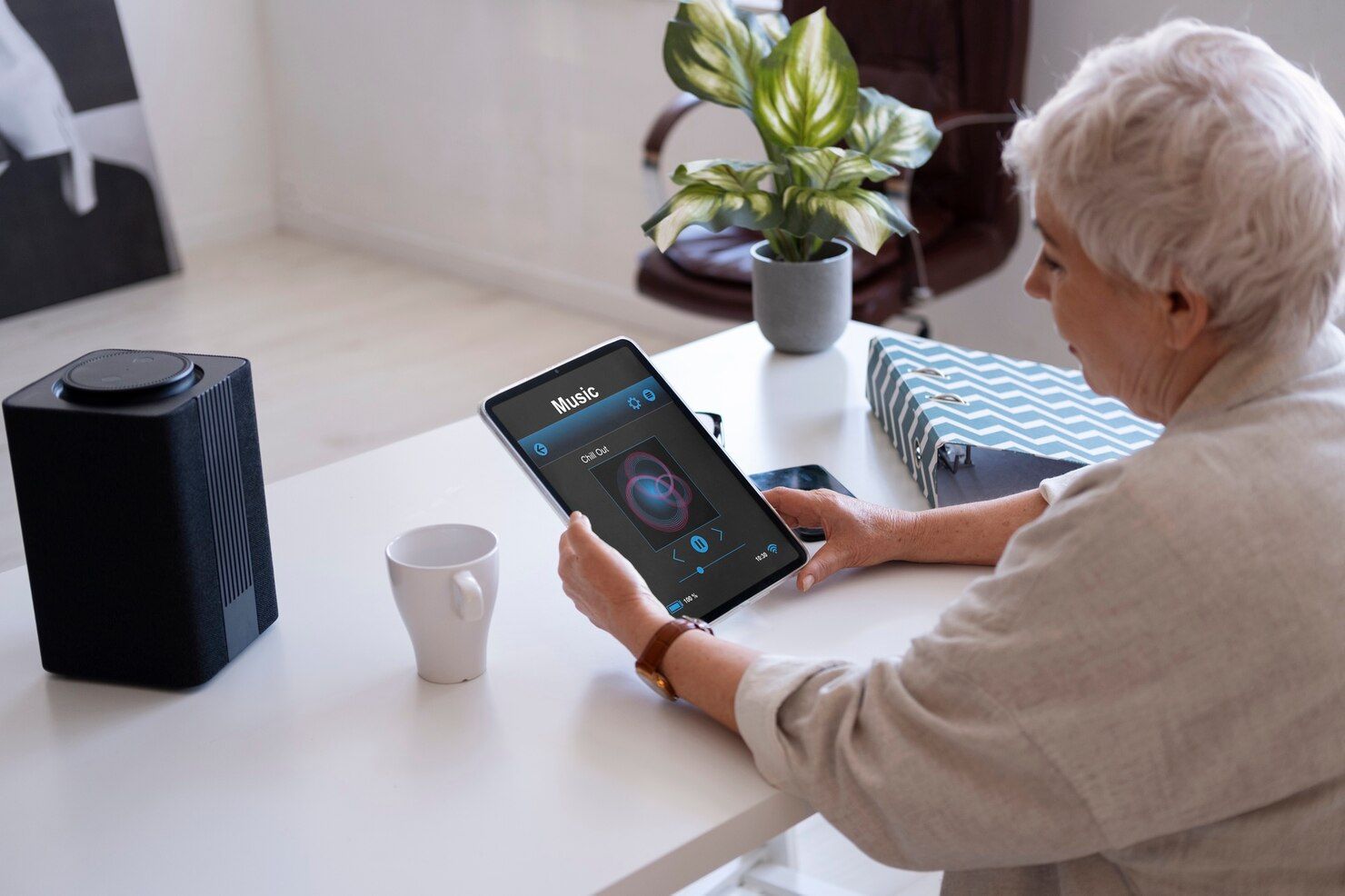
For example, smart assistants can recognize voice commands and adapt to a user’s speaking style. Smart thermostats can analyze daily routines and automatically adjust temperature settings. Through this learning process, smart AI devices become more helpful and intuitive. As a result, users experience smoother interactions with technology that feels more natural and responsive.
How AI in Smart Devices Works
AI in Smart Devices works by collecting and analyzing data from sensors, user inputs, and connected systems. The device processes this data using machine learning models that identify patterns and predict user preferences. Over time, the device continuously improves its responses based on new data and interactions. In many cases, AI home automation systems also communicate with other connected devices in the network, allowing them to coordinate actions such as adjusting lighting, controlling appliances, or optimizing energy usage based on user habits.
Key Benefits of AI in Smart Devices
The growing adoption of AI in Smart Devices is changing how people interact with technology. These intelligent systems help make daily activities easier, faster, and more efficient.
Some key advantages include:
- Improved Convenience – Smart AI devices automate routine tasks such as adjusting lighting, managing temperature, or setting reminders.
- Personalized Experiences – Devices learn user habits and preferences to provide customized recommendations and settings.
- Energy Efficiency – AI home automation systems optimize electricity usage by automatically controlling appliances and lighting.
- Enhanced Security – Intelligent cameras and monitoring systems can detect unusual activity and alert users quickly.
- Better Device Interaction – Voice recognition and natural language processing make communication with devices more natural.
- Continuous Learning – Devices become smarter over time as they analyze new data and adapt to user behavior.
Practical Examples or Use Cases
The use of AI in Smart Devices can be seen across many everyday applications. These technologies are already shaping modern homes and digital lifestyles.
| Category | Function | Example Use Case |
|---|---|---|
| Smart Home Systems | Automates household devices | Lights turn on automatically when someone enters a room |
| Smart Speakers | Voice-based interaction | Users control music, reminders, and home devices using voice commands |
| Smart Security Systems | Intelligent monitoring | Cameras detect unusual movement and notify the homeowner |
| Wearable Devices | Health and activity tracking | Smartwatches analyze daily activity and sleep patterns |
| Smart Appliances | Intelligent home management | Refrigerators suggest food storage tips based on usage patterns |
| Energy Management | Smart power optimization | Thermostats automatically adjust temperature based on daily routines |
Tips or Best Practices
To get the most value from AI in Smart Devices, users should follow a few simple practices:
- Keep devices updated so AI systems continue improving performance and features.
- Use secure passwords and privacy settings for connected devices.
- Connect compatible devices to create a more effective AI home automation system.
- Regularly review device settings to ensure they match your preferences.
Common Mistakes to Avoid
Many beginners assume that AI in Smart Devices works perfectly without any setup or adjustments. One common mistake is ignoring device configuration and privacy settings, which can reduce the effectiveness of the technology. Another issue is connecting too many incompatible devices within the same automation system, which may create communication problems. Some users also expect instant learning from AI systems, but in reality, these devices improve gradually as they collect more data and interactions.
Future Trends or Insights
The future of AI in Smart Devices looks extremely promising as technology continues to advance. Devices are expected to become more intelligent, more connected, and more capable of understanding human behavior.
Some key trends expected in the coming years include:
- More advanced AI home automation systems that manage entire households automatically
- Smarter voice assistants with improved language understanding
- AI-powered devices that focus on energy optimization and sustainability
- Greater integration between wearable technology and smart home systems
- More personalized digital experiences through advanced machine learning
Frequently Asked Questions (FAQ)
1. What are smart AI devices?
Smart AI devices are electronic devices that use artificial intelligence to analyze data, learn user behavior, and perform tasks more efficiently. Examples include smart speakers, wearable devices, and intelligent home systems.
2. How does AI home automation work?
AI home automation connects multiple devices within a smart home system. These devices communicate with each other and use artificial intelligence to automate tasks such as lighting, temperature control, and security monitoring.
3. Are AI-powered smart devices safe to use?
Most modern smart devices include built-in security and privacy settings. Users can improve safety by enabling device updates, strong passwords, and secure network connections.
4. Can AI smart devices learn user habits?
Yes, many smart AI devices use machine learning to analyze user behavior and adapt their responses over time. This allows them to provide personalized experiences.
5. Why is AI important in smart technology?
AI allows devices to go beyond basic commands. Instead of simple automation, devices can understand patterns, predict needs, and provide more intelligent responses.
Conclusion
The integration of AI in Smart Devices is transforming how people interact with technology in their daily lives. From smart homes and wearable technology to intelligent assistants, artificial intelligence helps devices become more responsive, efficient, and personalized. These advancements are making everyday routines easier while improving convenience and connectivity.
As technology continues to evolve, smart AI devices and AI home automation will play an even bigger role in shaping modern lifestyles. Devices will become smarter, more integrated, and better at understanding human needs. For individuals and households embracing digital innovation, AI-powered devices represent an exciting step toward a more intelligent and connected future.