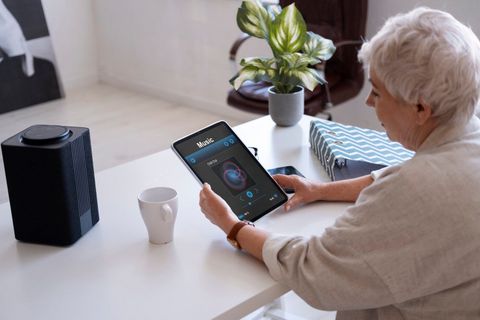
AI in Modern Lifestyle Changes: How Artificial Intelligence is Transforming Everyday Life
Technology continues to evolve at an incredible pace, and one of the most influential developments today is artificial intelligence. From smartphones and digital assistants to personalized recommendations and smart homes, AI has quietly become a part of everyday routines. AI in Modern Lifestyle Changes is reshaping how people communicate, learn, work, and manage daily activities.
The growing presence of AI technology in modern life is not limited to large industries or research labs. It now affects everyday experiences such as online shopping suggestions, navigation apps, healthcare monitoring, and even entertainment platforms. Understanding how AI works and how it influences modern living helps individuals adapt to new technologies and use them more effectively.

What is AI in Modern Lifestyle Changes
AI in Modern Lifestyle Changes refers to the way artificial intelligence technologies influence and improve everyday human activities. Artificial intelligence systems use data, algorithms, and machine learning to analyze patterns and make decisions or predictions. These systems help automate tasks, provide recommendations, and improve efficiency in daily routines.
In simple terms, AI technology in modern life acts as a smart assistant that learns from information and experiences. Whether it is voice assistants responding to questions, streaming platforms suggesting content, or health applications monitoring physical activity, AI makes many processes smoother and more personalized. Over time, these intelligent systems continue learning and adapting, making them even more useful in everyday situations.
How AI in Modern Lifestyle Changes Works
AI in Modern Lifestyle Changes works by collecting large amounts of data, analyzing patterns through machine learning algorithms, and using these insights to make predictions or automate tasks. For example, when someone uses a music or video streaming platform, the AI system studies past preferences, viewing habits, and user behavior to recommend new content that matches personal interests. The more people interact with AI-powered systems, the more accurate and helpful the results become, allowing technology to respond more intelligently to everyday needs.
Key Benefits of AI in Modern Lifestyle Changes
Artificial intelligence brings many advantages that make daily activities easier, faster, and more personalized. As AI systems continue to develop, they help individuals manage time better and improve productivity.
Key benefits include:
- Improved convenience by automating repetitive tasks such as reminders, scheduling, and smart home controls
- Personalized experiences through recommendations in entertainment, shopping, and learning platforms
- Better decision-making with data-driven insights and suggestions
- Enhanced efficiency in communication, navigation, and information access
- Improved healthcare monitoring through smart devices and health tracking technologies
These benefits demonstrate how AI technology in modern life enhances comfort and efficiency across different aspects of everyday living.
Practical Examples or Use Cases
Artificial intelligence is already integrated into many modern systems and applications. The following table shows how AI supports different areas of daily life.
| Category | Function | Example Use Case |
|---|---|---|
| Smart Homes | Automates household devices | Voice assistants control lights, temperature, and appliances |
| Healthcare | Health monitoring and analysis | Fitness trackers analyze activity and sleep patterns |
| Transportation | Navigation and traffic prediction | Maps suggest faster routes based on traffic conditions |
| Entertainment | Personalized content suggestions | Streaming platforms recommend movies or music |
| Education | Adaptive learning systems | Learning apps adjust lessons based on user progress |
| Communication | Smart messaging tools | Email platforms filter spam and suggest replies |
These examples show how AI applications influence daily activities and improve convenience across multiple industries.
Tips or Best Practices
- Learn the basic features of AI tools before using them regularly.
- Protect personal data by adjusting privacy settings in AI-powered applications.
- Use AI suggestions as guidance, but continue applying personal judgment.
- Stay informed about new developments in artificial intelligence technology.
Common Mistakes to Avoid
Many beginners assume that artificial intelligence systems always provide perfect results, which is not always the case. AI tools depend heavily on the data they receive, so inaccurate or limited data can lead to incorrect predictions or suggestions. Another common mistake is relying too heavily on automation without understanding how the technology works. People should remember that AI is designed to assist human decision-making, not completely replace it. Being aware of these limitations helps users apply AI tools more effectively and responsibly.
Future Trends or Insights
Artificial intelligence continues to evolve rapidly, and its influence on modern lifestyles will grow even stronger in the coming years. As technology advances, AI systems will become more intelligent, efficient, and integrated into everyday environments.
Future trends may include:
- Smarter personal assistants that understand context and natural conversations
- Increased use of AI in healthcare diagnostics and remote monitoring
- Advanced smart home ecosystems with fully automated environments
- AI-powered education systems that personalize learning paths
- More intelligent transportation systems and autonomous vehicles
These developments highlight how AI technology in modern life will continue shaping the way people interact with technology.
Frequently Asked Questions (FAQ)
1. How does AI affect our lives in everyday activities?
AI improves daily routines by automating tasks, providing personalized recommendations, and helping people make faster decisions using data insights.
2. What are common examples of AI technology in modern life?
Examples include voice assistants, navigation apps, recommendation systems, smart home devices, and health monitoring applications.
3. Is AI in modern lifestyle changes only useful for technology experts?
No, AI is designed to be accessible to everyone. Many tools are simple to use and require minimal technical knowledge.
4. Can AI help improve productivity in daily life?
Yes, AI tools can help manage schedules, organize information, and automate repetitive tasks, which helps people save time and stay organized.
5. Will AI continue to influence modern lifestyles in the future?
Yes, artificial intelligence will continue evolving and becoming more integrated into everyday technologies, making daily life more efficient and personalized.
Conclusion
Artificial intelligence has become an important part of modern living. AI in Modern Lifestyle Changes is transforming how people interact with technology, access information, and manage everyday activities. From smart homes and digital assistants to personalized recommendations and healthcare monitoring, AI is gradually becoming embedded in daily routines.
As AI technology in modern life continues to grow, individuals who understand and adapt to these tools will benefit the most. Learning how artificial intelligence works and using it responsibly can help people improve productivity, convenience, and overall quality of life in the digital age.